Emergency Tree Services for Roof and Gutter Clearance
A storm rarely asks permission before it sends a limb through shingles or tilts a fir into the power drop. Roofs and gutters sit under that constant threat, quietly catching the fallout. When leaf litter soaks up rain and needles pack into downspouts, water backs up beneath shingles, ice dams build in cold snaps, and fascia boards rot from the inside out. In high fire risk regions, that same debris becomes a ready ignition bed for embers. Emergency tree services are not only about chainsaws and cranes. They are about stopping secondary damage, making defensible choices under pressure, and leaving a property safer than it was the day before.
I have stood on roofs at midnight under floodlights while sleet needled sideways, and I have brushed gutters clear at noon on a quiet September day when a client noticed a damp mark on a bedroom ceiling. The difference between routine maintenance and an emergency often comes down to timing and judgment. Both draw on the same foundations: accurate assessment, controlled rigging, and respect for what trees are trying to tell you.
The cost of delayed clearance
A clogged gutter can dump hundreds of gallons of water where your building envelope is least protected. On a typical downpour, a 1,000 square foot roof sheds more than 600 gallons of water per inch of rainfall. If gutters are packed, that flow pools at the eaves, wicks back under shingles, and drips down into insulation. The damage rarely announces itself with drama. It appears as a paint bubble near a corner, a musty smell in a closet, a strip of softened drywall. By the time you spot the evidence, the plywood or OSB behind it may already be compromised.
On low-slope roofs, wet organic material adds surprising weight. After a wind event, it is common to find four to six inches of compacted needles and small twigs around roof valleys. Saturated, that layer can weigh 10 to 20 pounds per square foot. It traps moisture against the membrane, accelerates moss growth, and hides punctures from smaller branch strikes. In wildfire-prone areas, the picture flips. Dry litter in gutters and roof valleys acts like kindling, the exact fuel bed embers hunt for during a blaze. Stripping that material out is part of responsible FireSmart Tree Services, not an optional chore.
When urgent becomes emergency
Not every messy gutter calls for a 24 hour crew. Some situations do.
- A limb has penetrated roofing or skylights, or you see active leaking into living spaces.
- A tree has shifted after wind or snow load and is leaning toward the roof, overhead lines, or access routes.
- Gutters are overflowing behind fascia during heavy rain, and water is intruding at eaves, windows, or door headers.
- You observe cracks opening in soil on the load side of a tree, new root plate heaving, or cracking sounds in gusts.
- You have reports of embers or spot fires and your roof or gutters hold dry leaf litter or pine needles.
If you hesitate, call a Certified Arborist Consultation and describe what you see. A ten minute phone triage often saves hours of damage control later. Photographs from the ground help, especially if power lines are involved. Do not climb to verify anything while conditions are active. Crews train for that environment with rope systems, saw discipline, and a plan for what happens if something still goes wrong.
First actions on site
Emergency tree work begins with a site walk, not a saw. The foreman confirms the hazards that matter: energized conductors, compromised structures, wind direction, root stability, and safe egress for the team. We isolate the work zone with cones and tape, then decide what can wait. Breaking down a hanging limb safely often starts with securing it from above. On steep roofs, we set anchors using portable fall protection or a mechanical advantage rope system from a sound tree or a steel beam inside the attic. If the roof cover is punctured, a tarp buys time. The correct tarp is not a blue rectangle tossed under a rock. We use reinforced membranes or shrink wrap, anchored at ridges and edges with battens, never with screws where there may be water channels beneath.
For limbs still attached but impinging on gutters or eaves, we lower weight in small bites. Each cut is made with the path to ground mapped in our heads and a friction device at the base controlling descent. An aerial lift is ideal if access allows. In tight lots, cranes change the equation by picking heavy stems clear of fragile areas. When a crane is in play, the most dangerous cut is the first. Once a stem is attached, communication runs by hand signals and radios. The ground is part ballet, part chessboard.
The gutter challenge that is not about leaves
Gutter clearance during an emergency touches more than downspouts. We regularly find that the gutter pitch is off by a half inch in a run, trapping water even after debris is gone. Hangers work loose. Drip edges were never installed, or were tucked incorrectly. Guards solve one problem and create three others. Micro-mesh screens prevent shingle grit in downspouts, but they also catch maple flowers and fir pollen catkins, which glue themselves into a felt that deflects water over the lip in heavy rain. If guards are present, we check their attachment, remove sections only where necessary, and recommend alternatives if the roof’s tree canopy makes that style a mismatch.
Where fascia shows fungal threads or delamination, we document it with photos, then dry and stabilize the area before recommending replacement. If gutters were overflowing behind the fascia, hidden rot is likely. This is why gutter emergencies and tree emergencies so often travel together. The nearby tree crown controls what lands on that roof and how often.
How pruning and crown shaping prevent the midnight call
Emergency Tree Services should leave you with fewer emergencies ahead. That means stepping back from the immediate cleanup to look at canopy structure. Tree Pruning & Crown Shaping around structures is rarely about barbered silhouettes. It is about clearance, load paths, and sail area in storms. We work in ranges. Around most roofs, a two to three meter air gap prevents routine scuffing and reduces litter. On coastal exposures where prevailing winds drive branches toward the house, we bias cuts to reduce overhang. We never top. Topping creates fast, weak shoots that break in the next storm and clog gutters faster than the original growth.
Selective thinning of the outer canopy lets wind pass through. Proper crown reduction spreads weight along stronger laterals, preserving form while pulling back from the gutter line. Timing matters. Prune oaks in winter in regions where oak wilt is a risk. Prune maples when sap pressure is lower if you want less bleeding. Even a simple deadwood pass over a roof saves money later. Each thumb-thick dead twig is a future puncture risk in a gale, and every small fragment adds to gutter load.
Dangerous tree assessment and the hard conversations
Sometimes you cannot prune your way out of trouble. A Dangerous Tree Assessment and Removal begins with targets. If a stem fails, what does it hit? Next comes likelihood of failure. We look at root buttresses and flare. Girdling roots are trouble. Check for fruiting bodies of decay fungi at the base, seams in bark, and longitudinal cracks. Resistograph drilling or sonic tomography can show internal decay patterns without tearing the tree apart. In wet winters after drought years, large conifers often show root plate instability. Soil cracking on the compression side of a lean tells a story you need to listen to.
If the risk is unacceptable, removal becomes a safety choice, not aesthetic preference. Tree Removal Services near a roof demand precise rigging or a crane. Working over tile or brittle skylights calls for roof protection with foam pads and plywood sheets. In older neighborhoods with shared fence lines, access narrow enough to require hand lowering of every piece is common. That takes time. Transparency about pace and method smooths the day. When space allows, we limb the tree from the top down, lighten the canopy first, then negative rig sections of the stem. Every cut is planned so that rope stretch and friction match the weight. No freefalls, no surprises. When the job is complete, Stump Removal & Grinding clears the last trip hazard, usually to a depth of 20 to 30 centimeters below grade unless there are utilities. Always call for locates before grinding. Landscape restoration follows. In fire zones, replant with less resinous species and honor spacing guidelines.
Not every weak union needs a saw
Tree Cable and Bracing can extend the safe life of a tree that has a valuable presence but worrisome structure. Twin leaders with a narrow included angle are prone to split. A through-bolt and brace rod near the union, combined with a dynamic cable higher in the canopy, adds redundancy. After storms, we often find small cracks that merit hardware rather than removal. Installed correctly, modern synthetic cables allow controlled movement and reduce shock loads. Installed poorly, hardware causes wounds that accelerate decay. This is where a Certified Arborist Consultation pays for itself. Hardware never replaces pruning. It complements a thoughtful reduction plan around roofs and gutters.
FireSmart considerations above your eaves
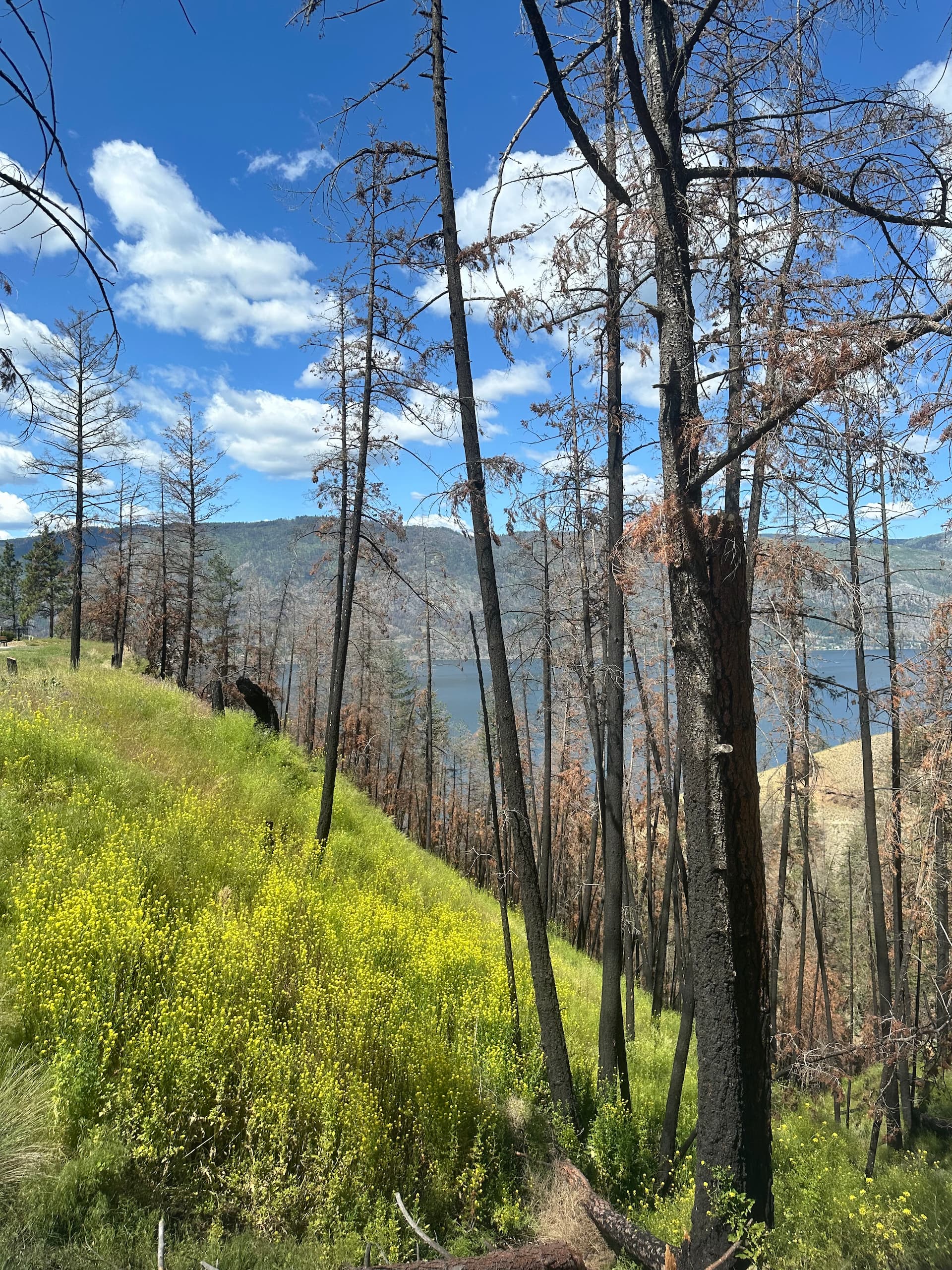
If wildfire is part of your landscape reality, roof and gutter clearance becomes a defensible space task. The roof is the top shelf of your exterior housekeeping. Clean it regularly https://zandersbgp450.tearosediner.net/tree-cable-and-bracing-for-mature-canopies during fire season. Choose gutter designs with noncombustible guards or covers that shed embers. Replace cedar shakes with Class A rated roofing when feasible. Limb conifers up to create vertical separation so a low flame has a harder time climbing into the canopy. Replace resinous foundation plantings with less flammable species. FireSmart Tree Services also look beyond your lot. If your neighbor’s pine drops into your gutter line, a cooperative pruning plan reduces risk for both homes. Crews trained in fire behavior consider radiant heat, ember travel, and wind patterns when advising on tree spacing and placement. They think in zones, from the first 1.5 meters outward to 30 meters and beyond, and they connect that plan to what falls into your gutters every week.
Tools and techniques built for roofs
A roof is an awkward work surface. Angled, slick when wet, and often soft where you would like to stand. We adapt the way we work accordingly. Footwear with sticky soles, rope access with roof anchors, and padded staging protect both the crew and the shingles. We keep saw bar lengths short near structure, often 12 to 16 inches, to reduce kickback risk in tight quarters. Pole saws and pole pruners keep weight off roofing while reaching over gutter lines. For debris removal, soft rake heads and air to loosen and move materials without grinding grit into the surface do more good than scoops and shovels. On metal roofs, magnets later in the day find any wayward fasteners. We use biodegradable degreasers after an oil leak, then document the cleanup.
The quiet heroes in emergency jobs are the friction devices and lowering kits that protect the house. A portawrap on the base of a sound tree or a bollard on the truck holds thousands of pounds smoothly. Communication is constant. The cutter calls the plan, the ground repeats it, and nobody steps into the drop zone without a word. If the span over the roof is long, we rig a high line to shift loads laterally and avoid swinging rounds into ridge vents.
Insurance, utilities, and the paper that matters
Many emergency calls intersect with insurance and utilities. Photograph everything before moving it if you can safely do so, then again when the area is cleared and tarped. An insurer will want a chain of evidence that links cause and damage. We provide time-stamped images, notes on tree condition, and a scope of work. Utility involvement changes the plan. If a limb rests on a service line, it is energized until a utility representative proves otherwise. Do not pull, cut, or even touch a gutter that contacts a conductor. Crews coordinate with line workers to temporarily drop lines or isolate the section. In some municipalities, permits are still required for street tree work even in emergencies. A seasoned company handles that paperwork behind the scenes so the roof stops leaking while compliance boxes get ticked.
Costs vary more than most people expect. Crane time can run hourly with minimums, and access logistics add complexity. A simple roof clearance with hand tools might fall into a few hundred dollars. A night call with a crane, two trucks, and a six person crew can reach into the thousands. Ask for a clear written scope with contingencies. You will not get a fixed price in the middle of a windstorm for unknown damage hidden under a canopy, but you should get a ceiling for the first operational period and a plan for reassessment in daylight.
Two small case snapshots
A midwinter ice storm snapped a red maple leader over a single story ranch. The limb punctured the roof in two spots and rested squarely on the gutter above the kitchen. We arrived to find water dripping through a recessed light. Power was cut at the panel. We set roof anchors at the ridge, padded the shingles, and secured the limb with a belly wrap before making a relief cut. The piece weighed around 180 pounds based on dimensions and species. Lowered to the lawn, it missed the gas meter by a meter and a half, exactly as planned. We sealed the penetrations with patch material and a shrink wrap membrane, then returned the next day for permanent repair. The gutter was pitched incorrectly. We reset hangers, re-established a quarter inch per ten feet slope, and installed a wider outlet at the downspout. The client booked a spring pruning to remove additional weight over the roof and shape the canopy. No leaks since.
Another day, a Douglas fir on a slope developed a fresh lean after a week of heavy rain. The root plate cracked the soil uphill, a red flag. It leaned toward a two story frame house, and the crown draped over the upper roof. A removal, not just clearance, was the right call. A 90 ton crane set up on the street with plywood mats to protect asphalt. We cradled and lifted the top in three picks to clear the roof line, then blocked down the stem in six foot sections into an open landing zone. The stump was ground the next morning after utility locates cleared, and the client chose to replant with two vine maples set back well from the house. The crane saved hours and removed risk of damage. Even with that, the job required six people for most of a day. The neighbor, relieved, scheduled a Certified Arborist Consultation for his own leaning cedar.
Maintenance that pays you back
The best emergency is the one avoided by a calendar and a pair of trained eyes. An annual canopy inspection around structures catches limb dieback early and guides Tree Pruning & Crown Shaping plans. Gutter cleaning frequency depends on species. A lone oak can drop enough catkins and leaves to require service twice a year. A roof under hemlocks may need quarterly attention in fall and winter. Combine gutter service with a roof sweep and a look at flashings. Small gaps at pipe boots and vents are where backed up water sneaks in. If you live in snow country, consider snow guards and de-icing cables only where they truly help. Unnecessary heat cables can create ice problems by melting and refreezing downstream.
When removals are necessary, plan the follow through. Stump Removal & Grinding creates space for replanting or hardscape changes that shift litter away from gutters. Replace a problematic willow with a multi-stem serviceberry set two meters farther from the roof. If you want shade without the mess, a properly placed pergola or sail can lower cooling loads without turning your gutter into a compost bin.
A brief homeowner prep checklist for storm season
- Walk the perimeter with a camera and shoot up the roof line. Document pre-storm conditions.
- Look for soil heave, fresh cracks, mushrooms at the base of trees, or branches resting on the roof.
- Clean ground level drains and ensure downspouts have clear discharge paths away from the foundation.
- Confirm you have a tarp, battens, and a staple gun on hand, and know where the main breaker is.
- Store the number of a reliable Emergency Tree Services provider who offers 24 hour response and carries proper insurance.
Choosing the right partner
Not all chainsaw owners are equal. For work above a roof, you want credentials and a safety culture that shows up in the first two minutes on site. Ask for an ISA Certified Arborist to lead or supervise. Check that the company carries general liability and workers’ compensation. If a crane is planned, confirm the operator is licensed and the crew includes a qualified rigger. Ask how they protect roof surfaces and how they will handle cleanup and tarping if rain follows. A good provider talks you through options, sets expectations with ranges, and leaves you with both a tidy roof and a plan to prevent more of the same.
Emergency work rewards steady hands and curious minds. The problem might be a broken limb, but the answer rarely stops there. Done well, a roof and gutter clearance evolves into a safer canopy, smarter water management, and a property that faces the next storm with less to fear.
Ace Tree Services Ltd.
Name: Ace Tree Services Ltd.Address: 4656 Wallace Hill Road, Kelowna, BC
Postal code: V1W 4C2
Phone: 250-212-9593
Website: https://acetree.ca/
Hours:
Monday: 7:00 AM - 5:00 PM
Tuesday: 7:00 AM - 5:00 PM
Wednesday: 7:00 AM - 5:00 PM
Thursday: 7:00 AM - 5:00 PM
Friday: 7:00 AM - 5:00 PM
Saturday: 7:00 AM - 5:00 PM
Sunday: Closed
Open-location code (plus code): RHF8+8G Kelowna, British Columbia, Canada
Map/listing URL: https://www.google.com/maps/place/Ace+Tree+Services+Ltd./@49.8232606,-119.4337283,659m/data=!3m2!1e3!4b1!4m6!3m5!1s0x537d8b1d074815c5:0x450b88afa7a41435!8m2!3d49.8232606!4d-119.4337283!16s%2Fg%2F11ydkpnh22
Embed iframe:
"@context": "https://schema.org", "@type": "HomeAndConstructionBusiness", "name": "Ace Tree Services Ltd.", "url": "https://acetree.ca/", "telephone": "250-212-9593", "address": "@type": "PostalAddress", "streetAddress": "4656 Wallace Hill Road", "addressLocality": "Kelowna", "addressRegion": "BC", "addressCountry": "CA" , "openingHoursSpecification": [ "@type": "OpeningHoursSpecification", "dayOfWeek": "https://schema.org/Monday", "opens": "07:00", "closes": "17:00" , "@type": "OpeningHoursSpecification", "dayOfWeek": "https://schema.org/Tuesday", "opens": "07:00", "closes": "17:00" , "@type": "OpeningHoursSpecification", "dayOfWeek": "https://schema.org/Wednesday", "opens": "07:00", "closes": "17:00" , "@type": "OpeningHoursSpecification", "dayOfWeek": "https://schema.org/Thursday", "opens": "07:00", "closes": "17:00" , "@type": "OpeningHoursSpecification", "dayOfWeek": "https://schema.org/Friday", "opens": "07:00", "closes": "17:00" ], "geo": "@type": "GeoCoordinates", "latitude": 49.8232606, "longitude": -119.4337283 , "hasMap": "https://www.google.com/maps/place/Ace+Tree+Services+Ltd./@49.8232606,-119.4337283,659m/data=!3m2!1e3!4b1!4m6!3m5!1s0x537d8b1d074815c5:0x450b88afa7a41435!8m2!3d49.8232606!4d-119.4337283!16s%2Fg%2F11ydkpnh22"
Ace Tree Services Ltd. provides professional tree removal, pruning, stump grinding, emergency response, and arborist consultations for properties in Kelowna and across the Okanagan Valley.
The company works with homes, commercial properties, and municipal settings where tree work needs to be planned carefully around buildings, fences, driveways, landscaping, and other site constraints.
Based in Kelowna, the team is positioned to help nearby neighbourhoods and surrounding Okanagan communities with routine tree care and time-sensitive storm cleanup.
Customers looking for careful tree work often want a crew with certified arborist training, insurance, and a methodical approach to higher-risk removals.
Services also include dangerous tree assessment, cabling and bracing, and wildfire risk reduction tree work for properties that need longer-term planning.
To request a quote or discuss tree care options, call 250-212-9593 or visit https://acetree.ca/.
A public map listing is available to help customers confirm the business location and get directions before a site visit or estimate.
For Kelowna property owners who need pruning, removals, or emergency tree help, a local tree service can make it easier to schedule site-specific recommendations and cleanup.
Popular Questions About Ace Tree Services Ltd.
What services does Ace Tree Services Ltd. provide?Ace Tree Services Ltd. lists tree removal, stump removal and grinding, tree pruning and crown shaping, emergency tree service, arborist consultation, dangerous tree assessment and removal, cabling and bracing, and wildfire risk reduction tree work.
Who does Ace Tree Services Ltd. serve?
The company describes its work as serving homes, businesses, and municipalities in Kelowna and across the Okanagan Valley.
Is emergency tree help available?
Yes. Emergency service is listed for downed or uprooted trees, dangerous tree assessment, stabilization work, and branch cleanup. If a tree is near power lines, the safest first step is to stay clear and contact the utility provider before any tree work begins.
Do I always need a permit to remove a tree?
Not always. Permit requirements can depend on where the tree is located and whether it is near a creek, lake, steep slope, or another protected area. It is best to check local rules for the specific property before removal work starts.
How deep does stump grinding usually go?
Standard stump grinding is typically described as going about 6 to 12 inches below ground level, which is often enough for grass or surface landscaping. Deeper grinding may be possible when site plans call for it.
How much of a tree can be safely removed at one time?
That depends on the species, age, health, and structure of the tree. In practice, good pruning is usually about removing the right limbs for health, clearance, and structure rather than chasing a fixed percentage.
What are common signs that a tree may be dangerous?
Large dead limbs, visible cracks, a new lean, root damage, canopy dieback, or storm-related damage can all be warning signs. Trees near structures deserve extra attention when any of those issues appear.
What is cabling and bracing in tree care?
Cabling and bracing are support systems used to reduce the risk of failure in trees with structural weaknesses that may still be worth preserving. They are generally used to add support, not to replace good assessment and ongoing maintenance.
How do I contact Ace Tree Services Ltd.?
Call 250-212-9593.Website: https://acetree.ca/.
Landmarks Near Kelowna, BC
Downtown KelownaThe downtown core is a practical reference point for lakefront neighbourhoods, mixed-use streets, and central residential properties. If your property is near downtown, tree pruning, removals, and cleanup can be planned around tighter access and nearby structures.
Knox Mountain Park
This well-known park north of downtown is a recognizable landmark for nearby homes and hillside properties. If you are close to this area, ask about tree assessment, trimming, or removal work suited to sloped sites.
Mission Creek Greenway
The greenway runs through several parts of Kelowna and is a useful landmark for nearby residential areas. If your property borders or sits near this corridor, site-specific tree planning is especially important.
Pandosy Village
Pandosy is one of Kelowna’s most recognizable neighbourhoods and a common reference point for south-central properties. If you are nearby, request help for pruning, removals, or storm cleanup around homes and small commercial sites.
Rutland
Rutland is a major east Kelowna neighbourhood with a mix of residential and local commercial properties. If you are located in or near Rutland, tree work can be scheduled for both routine maintenance and urgent situations.
Landmark District
This central business-focused area is a practical landmark for offices, service properties, and nearby residential streets. If your site is near the district, ask about careful tree work around parking, access lanes, and built-up lots.
Kelowna’s North End
The North End sits on the edge of downtown and is a useful reference for nearby homes, industrial sites, and commercial properties. If you are in this part of the city, request tree care based on the layout and constraints of the lot.
Airport District
The Airport District is a recognizable north Kelowna reference point for surrounding properties and access routes. If you are in this area, ask about tree services for residential acreage, commercial sites, or roadside cleanup needs.
Glenmore & Dilworth
These established Kelowna neighbourhoods are useful landmarks for central and north-central service calls. If your property is nearby, pruning and removal work can be tailored to mature trees and established landscapes.
Highway 97 Corridor
Highway 97 is one of the city’s main travel routes and a common way to describe location within Kelowna. If your home or property is just off the corridor, a clear landmark reference can help speed up quote scheduling and site planning.